How a wildlife-friendly approach to gardening has encouraged hedgehogs to make themselves at home
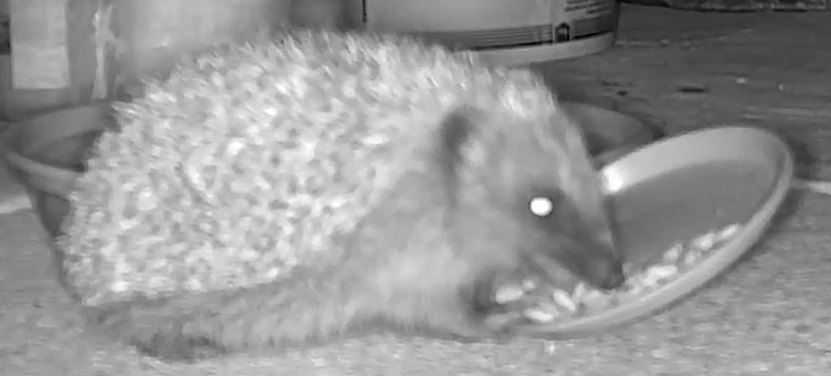
Hedgehogs are increasingly under threat, so it was a delight to discover them this year and to know that my garden provides them with food, shelter and a safe place to explore.
Diversity
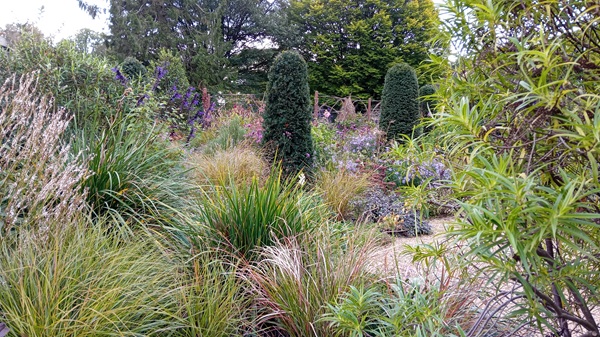
I grow a diverse range of plants, including ornamental grasses, dense vegetation and a mixture of species with different heights, shapes and growing habits. This variety creates a rich tapestry of habitats for plants, insects, other invertebrates, amphibians, birds…
I also try to keep disturbance to a minimum, particularly during the summer months. Most of my gardening jobs, such as weeding and planting are carried out in spring. During summer, I largely leave the garden to get on with growing.
The grass is allowed to grow long and is generally cut only twice a year. This provides cover for wildlife and creates a more varied habitat than a closely mown lawn.
For a plant to thrive, the soil must be alive
I use organic mulches to feed and protect the soil, encouraging a thriving community of soil organisms. Worms, beetles, woodlice, earwigs and many other small creatures that all play a part in the complex garden ecosystem breaking down organic matter and recycling nutrients.
So working from the soil upwards through the food chain, it is wonderful to welcome hedgehogs to the garden. They are opportunistic feeders, eating a variety of invertebrates, particularly earthworms, beetles and caterpillars.
I never use chemicals nor pesticides in the garden, preferring to allow nature to maintain its own balance.
Shelter
A tidy garden is not necessarily a wildlife-friendly one, this approach suits me well – I have a light handed approach to tidying and pruning. I recycle as much garden material on site as possible. I create rock piles, log piles and little ‘bug snugs’, leaving prunings tucked away in quiet corners.
These undisturbed places provide homes for invertebrates and shelter for all sorts of wildlife (frogs, toads, newts…). They also create the kind of protected spaces that hedgehogs may use for summer resting or nesting.
For winter ‘hibernation’ we have installed several hedgehog ‘houses’ around the garden, giving them a choice of sheltered locations. This video shows ‘our’ hog making its nest
Freedom to Roam
In the summer, hedgehogs can travel up to 2 km a night in search of food and mates, they need to be able to move safely between neighbouring gardens and green spaces.
We have gaps beneath our boundary fences, connecting our garden with the neighbouring property and the park, as well as a route alongside the house.
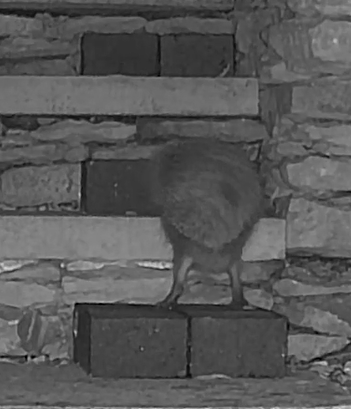
These small openings allow hedgehogs to come and go freely, making our garden part of a much larger network of suitable habitat. I have also had to make our steps more accessible for them.
Our wildlife pond is another valuable feature. It provides a source of drinking water, with safe easy access and egress.
Extra feeding
In August I started feeding the hedgehog and I bought a wildlife camera.
The camera soon showed that I didn’t have just one hedgehog visiting the garden, but often three. Even more excitingly, one of them has taken up residence in the shed.
It has been fascinating to discover just how much goes on in the garden after dark.
Gardening with Nature in Mind
For me, encouraging hedgehogs isn’t about creating a special hedgehog garden. It’s about creating a healthy, diverse and connected environment in which wildlife can flourish.
Allowing the grass to grow, feeding the soil, leaving quiet corners undisturbed, providing water and shelter, and avoiding chemicals are all relatively simple choices. Together, however, they can make an enormous difference.
When we create the right conditions for nature, wildlife often finds its own way in.
Further reading RHS Wild About Gardes Hedghog leaflet